In the first half of 2025, copper price volatility was primarily driven by three key factors: Sino-US tariff disputes, shifts in Federal Reserve policy, and ongoing geopolitical conflicts. A notable shift in pricing logic has occurred, moving away from the previous “China demand-driven” model to a tripartite structure encompassing capital pricing, resource politics, and supply chain control. Copper prices swung sharply during this period, creating significant pressure for businesses aiming to hedge price risks and maintain stable operations. The global landscape remained highly turbulent: Trump’s return to the White House brought renewed threats of copper import tariffs and escalating Sino-US trade tensions, while the Russia-Ukraine conflict dragged on and wars reignited in the Middle East. Meanwhile, gold prices hit record highs repeatedly, and the Fed’s path to interest rate cuts was fraught with twists and turns, leading to extreme fluctuations in market sentiment. Globally, copper supply and demand remained in a tight balance, with an expanding shortage of copper concentrate and a deep inversion of copper smelting treatment charges. Fortunately, green energy demand from the power and new energy sectors helped offset the weakness in the real estate market. Key market trends included COMEX continuously absorbing global copper inventories, potential inventory squeeze risks brewing on the LME, steady rises in spot premiums, and booming cross-market arbitrage activities by financial capital, with non-commercial net long positions on both exchanges showing signs of activity.
Looking ahead to the second half of 2025, Sino-US tariff negotiations are expected to enter a new phase, while the destocking of global visible copper inventories is set to accelerate. This, combined with the resonance of synchronized interest rate cuts by China and the US and the onset of a restocking cycle, is likely to fuel a strong rebound in copper prices, leading to a market pattern where prices are easier to rise than fall. For trading strategies, it is advisable to hold existing copper long positions, prioritize buying on dips during corrections, and avoid chasing highs blindly. Investors should also remain vigilant against the risk of a pullback in copper prices as macroeconomic sentiment fades and speculative long positions cool down. In the medium to long term, we maintain a bullish outlook on copper, supported by the persistent tightness in copper concentrate supply and the explosive growth of green energy-related copper demand.
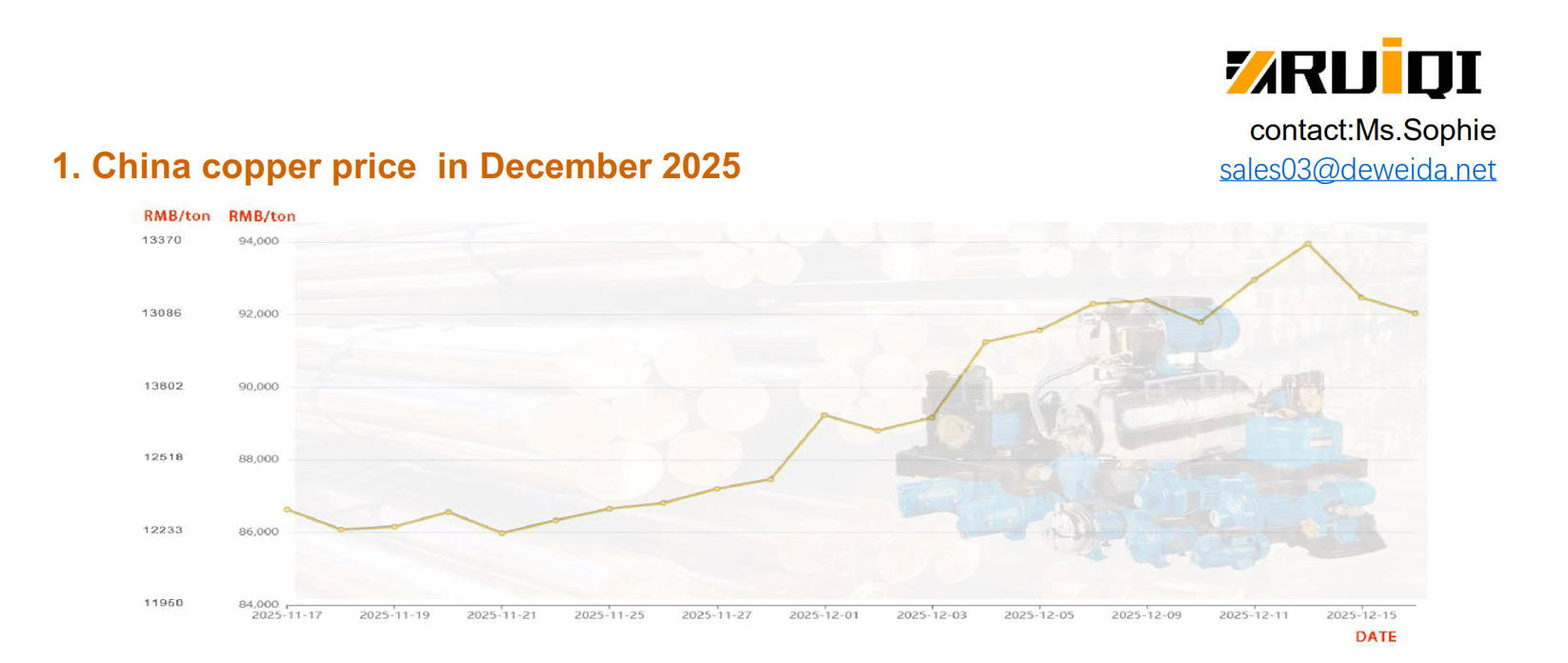

Despite the positive outlook, several risks warrant attention. The Trump administration’s tariff policies could see sudden reversals, domestic policy implementation may fall short of expectations, and geopolitical crises could potentially erupt in the Taiwan Strait region. These factors could disrupt market stability and require proactive risk management.
Against the backdrop of sustained copper price volatility and long-term upward pressure, businesses reliant on copper components—such as water pump manufacturers and buyers—should adjust their purchasing strategies to mitigate risks. A key water pump purchasing plan involves two critical material substitutions: first, replacing copper impellers with alternative materials like stainless steel, aluminum, or PPO, as these raw materials boast more stable prices and are less susceptible to copper market fluctuations; second, switching from copper wires to aluminum wires in pump motors. This adjustment not only helps stabilize procurement costs but also reduces exposure to the uncertainties of copper price swings, ensuring more predictable operational expenses and supply chain stability amid the current volatile market environment.
Post time:
Dec-16-2025


